

Products Description of 4,4′-Diaminodiphenylsulfone CAS#80-08-0
Dapsone is a sulfone-class antibacterial agent with strong activity against Mycobacterium leprae, and its formulations have been widely applied in the treatment of leprosy. As a first-line therapy for leprosy, dapsone inhibits bacterial dihydrofolate synthase (DHPs), disrupts folic acid synthesis, and interferes with bacterial protein production. In addition to its antibacterial action, dapsone exhibits notable anti-inflammatory effects by scavenging toxic oxygen free radicals and other harmful substances generated after neutrophil stimulation. It also suppresses neutrophil aggregation and activation, reduces the release of inflammatory mediators, and thereby limits tissue damage. Studies indicate that oral administration of 100 mg of dapsone produces blood concentrations 500–600 times higher than the minimum inhibitory concentration required to suppress Mycobacterium leprae. In recent years, research has further shown that dapsone can be used to treat a wide range of conditions, including other infectious diseases, inflammatory skin disorders, autoimmune bullous diseases, and urticaria, demonstrating broad therapeutic applications.

4,4′-Diaminodiphenylsulfone Chemical Properties
| Melting point | 175-177 °C(lit.) |
| Boiling point | 511.7±35.0 °C(Predicted) |
| Density | 1.2701 (rough estimate) |
| Vapor pressure | 0.004Pa at 25℃ |
| Refractive index | 1.5950 (estimate) |
| Storage temp | 2-8°C |
| Solubility | 0.38g/l |
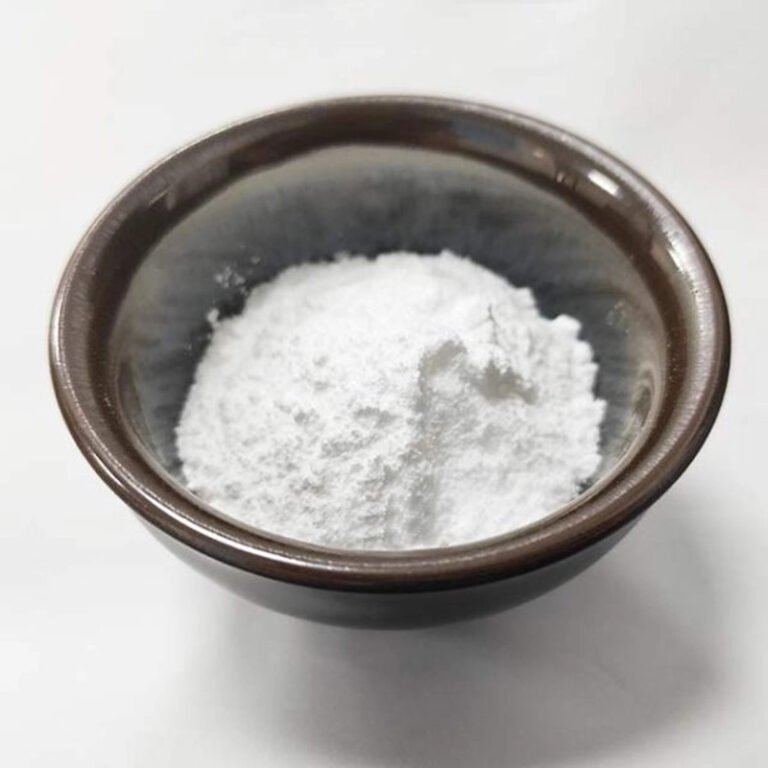
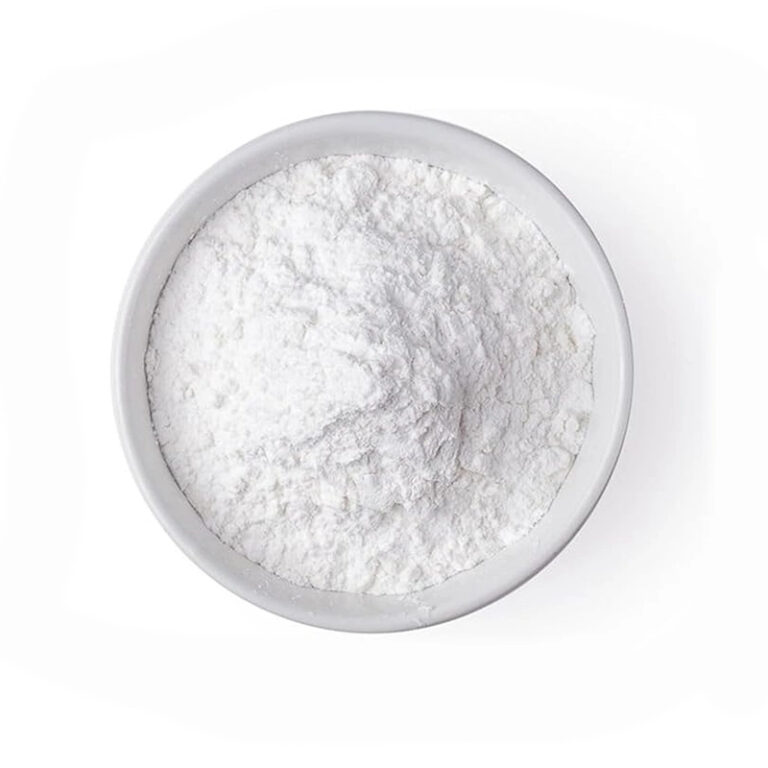
| Form | Crystalline Powder |
| Pka | pKb 13.0(at 25℃) |
| Color | White to beige |
| PH | 5.5-7.5 (H2O, 20℃)(saturated aqueous solution) |
| Water Solubility | <0.1 g/100 mL at 20 ºC |
| Merck | 142,822 |
| BRN | 788055 |
| BCS Class | 4,2 |
| Stability | Stable. Combustible. Incompatible with strong oxidizing agents. |
| InChIKey | MQJKPEGWNLWLTK-UHFFFAOYSA-N |
| LogP | 0.97 at 25℃ |
| CAS DataBase Reference | 80-08-0(CAS DataBase Reference) |
| NIST Chemistry Reference | Dapsone(80-08-0) |
| IARC | 3 (Vol. 24, Sup 7) 1987 |
| EPA Substance Registry System | Dapsone (80-08-0) |
Safety Information
| Hazard Codes | Xn |
| Risk Statements | 22 |
| Safety Statements | 22 |
| RIDADR | 3249 |
| WGK Germany | 1 |
| RTECS | BY8925000 |
| TSCA | Yes |
| HazardClass | 6.1(b) |
| PackingGroup | III |
| HS Code | 29051620 |
| HS Code | 29309070 |
| Hazardous Substances Data | 80-08-0(Hazardous Substances Data) |
| Toxicity | LD50 orally in Rabbit: 1000 mg/kg LD50 dermal Rabbit > 4000 mg/kg |

Applications
Peroxide Production: A key precursor for organic peroxide initiators used in polymer manufacturing.
Synthesis: Used to prepare specialized esters, glucose derivatives, and polymers with photovoltaic properties.
Reagent: Serves as an active intermediate for agrochemicals and pharmaceutical ingredients.