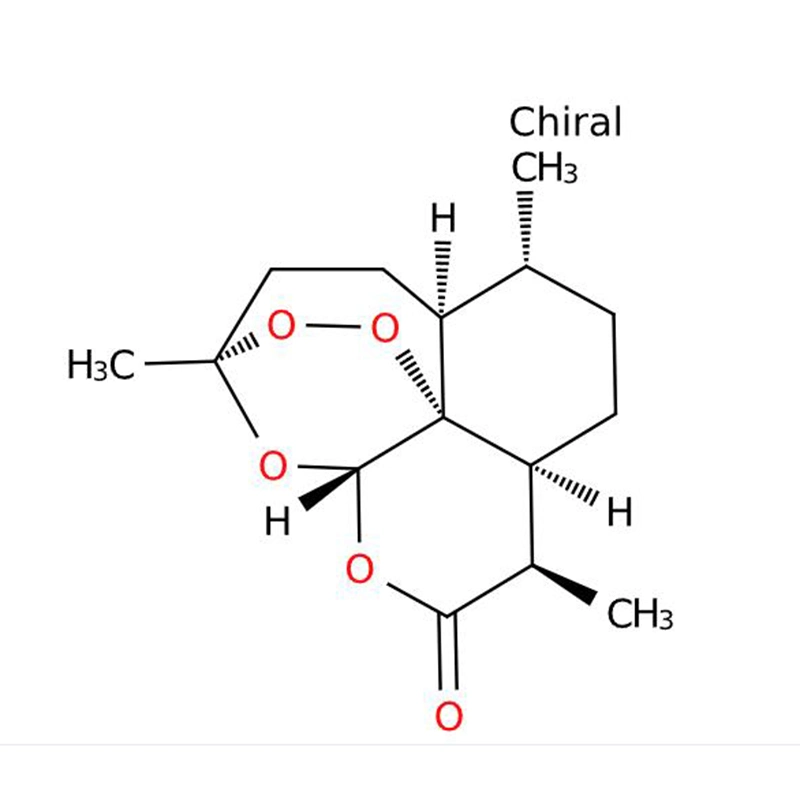
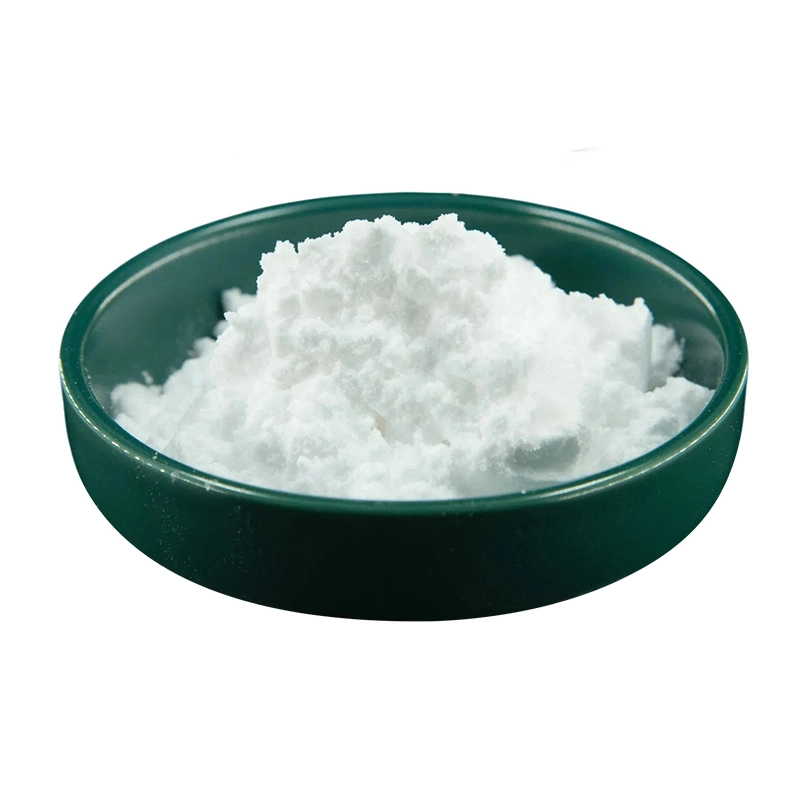
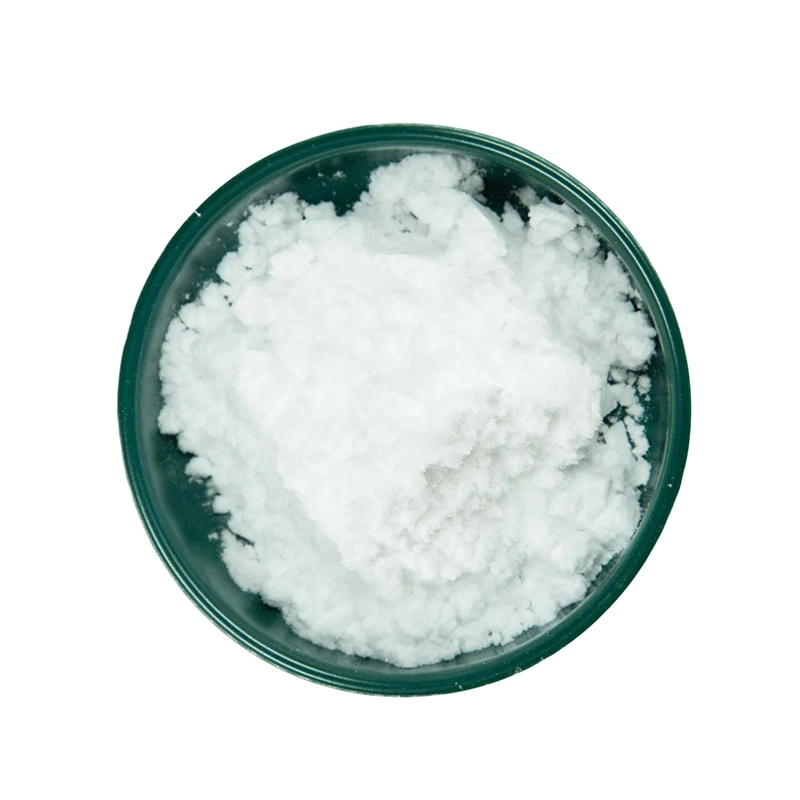
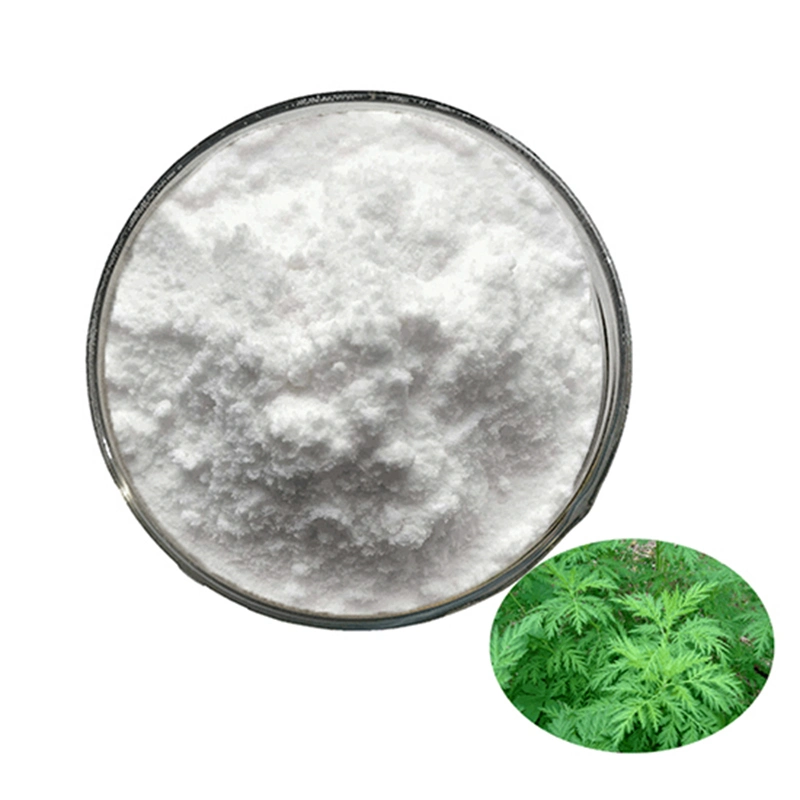
Artemisinin is the most potent medication for combating malaria. It is a sesquiterpene lactone compound containing peroxide groups, derived from the traditional Chinese herb Artemisia annua. It exhibits traits of high efficacy, rapid action, heat-clearing and summer-heat-alleviating properties, fever-reducing ability, protozoan-killing effects, and minimal toxicity.
Currently, the effectiveness of artemisinin-based combination therapy (ACT) in treating malaria exceeds 90% globally. It has been extensively adopted for malaria treatment worldwide. It delivers a powerful and swift eradication effect on the erythrocytic phase of Plasmodium, enabling prompt control of clinical episodes and symptoms. Additionally, it demonstrates remarkable results against chicken coccidiosis, swine eperythrozoonosis, toxoplasmosis, yin deficiency fever, damp-heat jaundice, vivax malaria, severe malaria, cerebral malaria, and chloroquine-resistant malaria.

Parameters
| Melting point | 156-157 °C (lit.) |
| alpha | 76 º (c=0.5,MeOH) |
| Boiling point | 344.94°C (rough estimate) |
| density | 1.0984 (rough estimate) |
| refractive index | 75 ° (C=0.5, MeOH) |
| storage temp. | -20°C |
| solubility | Soluble to 100mM in DMSO and to 75mM in ethanol |
| form | White to off-white crystalline solid. |
| color | Needles |
| optical activity | [α]20/D +76°, c = 0.5 in methanol |
| Merck | 14817 |
| Stability: | Stable. Combustible. Incompatible with strong oxidizing agents, acids, acid chlorides, acid anhydrides. May absorb, and react with, carbon dioxide from the air. |
| InChI | InChI=1S/C15H22O5/c1-8-4-5-11-9(2)12(16)17-13-15(11)10(8)6-7-14(3,18-13)19-20-15/h8-11,13H,4-7H2,1-3H3/t8-,9-,10+,11+,13-,14-,15-/m1/s1 |
| InChIKey | BLUAFEHZUWYNDE-NNWCWBAJSA-N |
| SMILES | O1[C@]23[C@@]4([H])O[C@@](C)(CC[C@@]2([H])[C@H](C)CC[C@@]3([H])[C@@H](C)C(=O)O4)O1 |
| LogP | 2.9 |
| Safety Information | |
| Safety Statements | 22-24/25 |
| WGK Germany | 2 |
| RTECS | KD4170000 |
| HS Code | 29322985 |
| Toxicity | LD50 in mice (mg/kg): 5105 orally; 2800 i.m.; 1558 i.p. (Koch); LD50 in mice, rats (mg/kg): 4228, 5576 orally; 3840, 2571 i.m. (China Cooperative Research Group on Qinghaosu) |