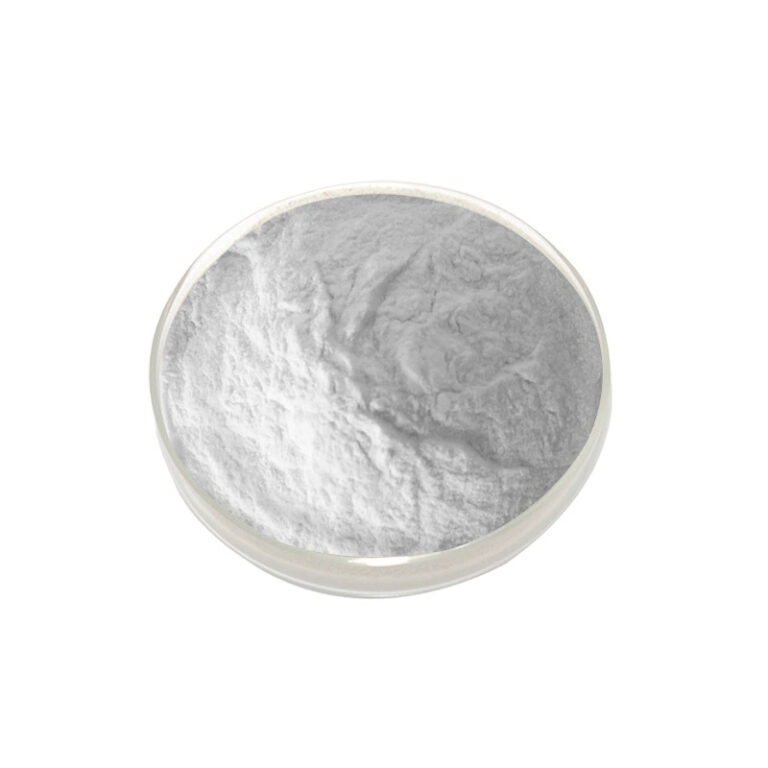


Products Description of Kojic acid CAS#501-30-4
Kojic acid, also known as kojic acid and kojic acid, is an organic acid with antibacterial effect produced by aerobic fermentation of glucose by Aspergillus candida at 30-32°C. Its molecular structure is a γ-pyrone with a substituent. Among the γ-pyrone compounds existing in nature, the only famous compounds are kojic acid and maltol. In 1907, Saito separated kojic acid crystals from rice koji. It was named by Yabuta in 1912 and its structure was determined in 1924. In 1953, Arnstela (surface fermentation) and in 1971, Kitada Makuo (submerged fermentation) used isotope tracking technology to prove that kojic acid is formed by direct oxidation and dehydration of glucose without carbon frame rupture.

Kojic acid Chemical Properties
| Melting point | 152-155 °C (lit.) |
| Boiling point | 179.65°C (rough estimate) |
| density | 1.1712 (rough estimate) |
| refractive index | 1.4434 (estimate) |
| storage temp. | Store below +30°C. |
| solubility | DMSO (Slightly), Methanol (Slightly, Sonicated) |
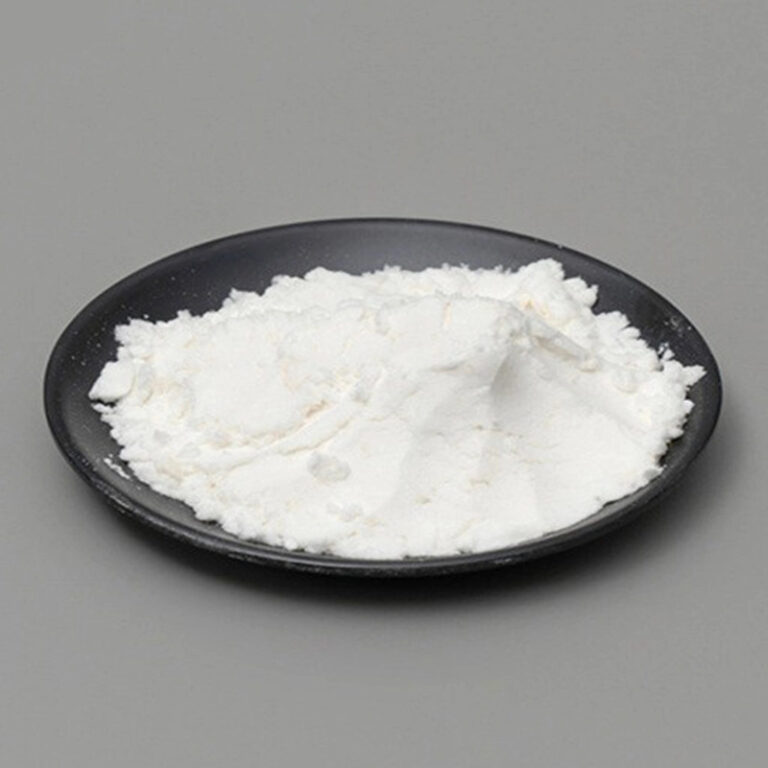
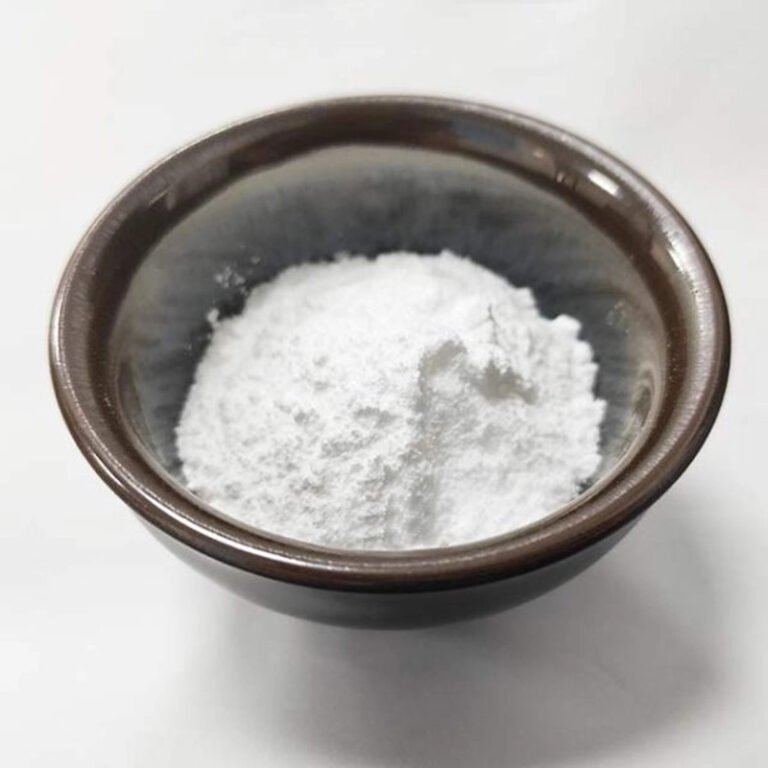
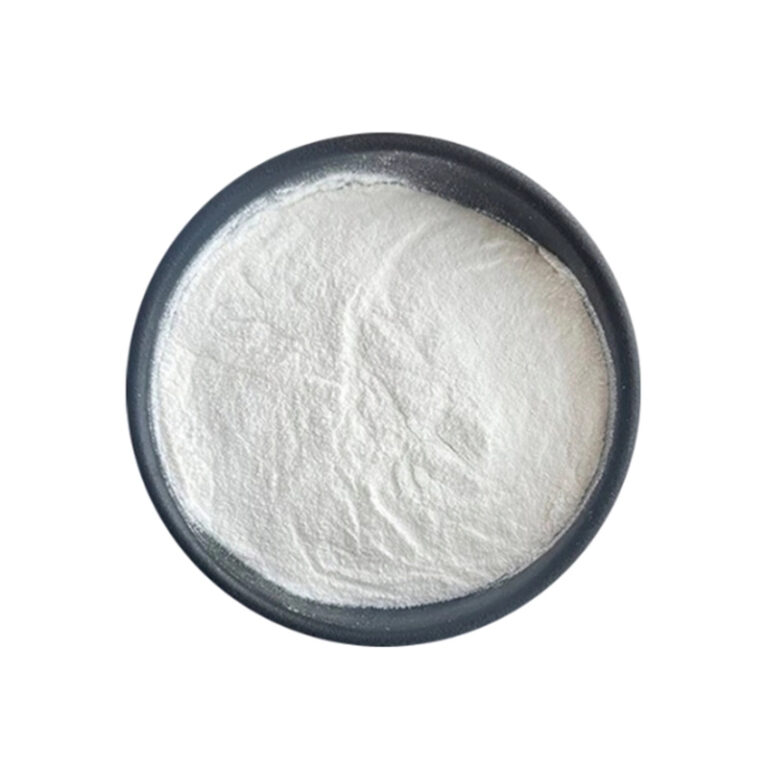
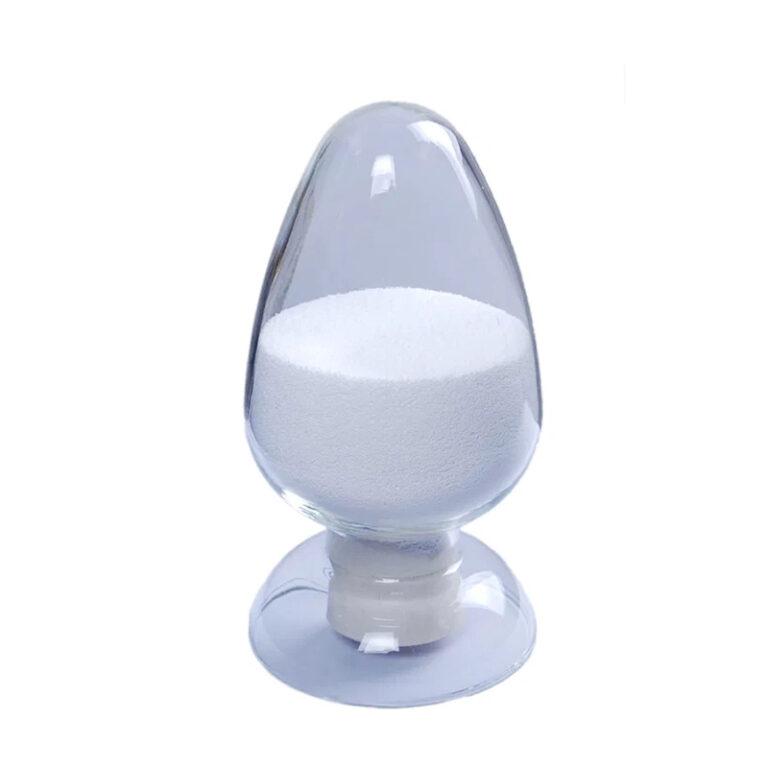
| form | Crystalline Powder |
| pka | 7.9(at 25℃) |
| color | White to beige-brown |
| Water Solubility | SOLUBLE |
| λmax | 269nm(CHCl3)(lit.) |
| Merck | 145,317 |
| BRN | 120895 |
| Stability: | Stable. Combustible. Incompatible with strong oxidizing agents. |
| LogP | -0.64 |
| CAS DataBase Reference | 501-30-4(CAS DataBase Reference) |
| NIST Chemistry Reference | 5-Hydroxy-2-(hydroxymethyl)-4h-pyran-4-one(501-30-4) |
| IARC | 3 (Vol. 79) 2001 |
| EPA Substance Registry System | Kojic acid (501-30-4) |
Safety Information
| Hazard Codes | Xn |
| Risk Statements | 40-68 |
| Safety Statements | 22-24/25-36/37-36 |
| WGK Germany | 3 |
| RTECS | UQ0875000 |
| HS Code | 29329995 |
| Hazardous Substances Data | 501-30-4(Hazardous Substances Data) |

Product Application of Kojic Acid (CAS No. 501-30-4)
In addition, it can be used as a preservative for cut flowers, significantly extending their shelf life. The incorporation of kojic acid does not affect the taste, aroma, or texture of food products, while also inhibiting the conversion of nitrites into carcinogenic nitrosamines. This inhibition is particularly important for the improvement and upgrading of cured meat products.
In agriculture, kojic acid can be applied as a biopesticide, insecticide, and biofertilizer. Whether sprayed on crops or applied to the root system, it effectively increases crop yield and economic returns for grain and vegetable production.
Kojic acid has strong ultraviolet absorption capabilities and may be used alone or in combination with sunscreen products, soaps, and other formulations. It is effective in treating and preventing hyperpigmentation such as liver spots, particularly at concentrations of 1–2.5%. Additionally, it helps maintain skin moisture, reduce wrinkles, and is used in hair care products for dandruff removal.