

Soybean oleic acid is a mixed fatty acid derived from soybean oil through hydrolysis and other processing methods. Its primary components are unsaturated fatty acids, including oleic acid (ω-9), linoleic acid (ω-6), and linolenic acid (ω-3), along with a small proportion of saturated fatty acids such as palmitic acid and stearic acid. Typically, linoleic acid is the most abundant, making up about 50%-60%, oleic acid accounts for approximately 20%-30%, and linolenic acid ranges from 5%-10%. It appears as a light yellow, transparent, oil-like liquid that may partially solidify at low temperatures, with a characteristic oily aroma and mild taste.
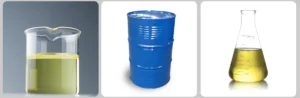
| Product Name: | Fatty acids, soya |
| Synonyms: | Fatty acids, soya;SOY ACID;Fettsuren, Soja;Sojalfettsure;Soya bean oil fatty acid;SOYAFATTYACIDS;Soya oil acid;TIANFU-CHEM
CAS NO.68308-53-2 Fatty acids, soya |
| CAS: | 68308-53-2 |
| MW: | 0 |
| EINECS: | 269-657-0 |
| Mol File: | Mol File |
Fatty acids, soya Chemical Properties
| Storage temp | Store at -20°C |
| Solubility | Soluble in DMSO |
| Form | Liquid |
| Color | Colorless to light yellow |
| EPA Substance Registry System | Soya fatty acids (68308-53-2) |

Product Usage
Soybean oleic acid finds wide applications across various industries. In the food sector, it is used to produce margarine, shortening, and cocoa butter substitutes, enhancing flavor and food quality. In the chemical industry, it serves as a key raw material for manufacturing soaps, detergents, fatty acid esters, paints, inks, and other products. In the pharmaceutical field, it is utilized in the preparation of certain drug intermediates and nutritional supplements. Additionally, it is employed as a raw material for surfactants, lubricants, plasticizers, and in biodiesel production, offering both economic value and environmental benefits.